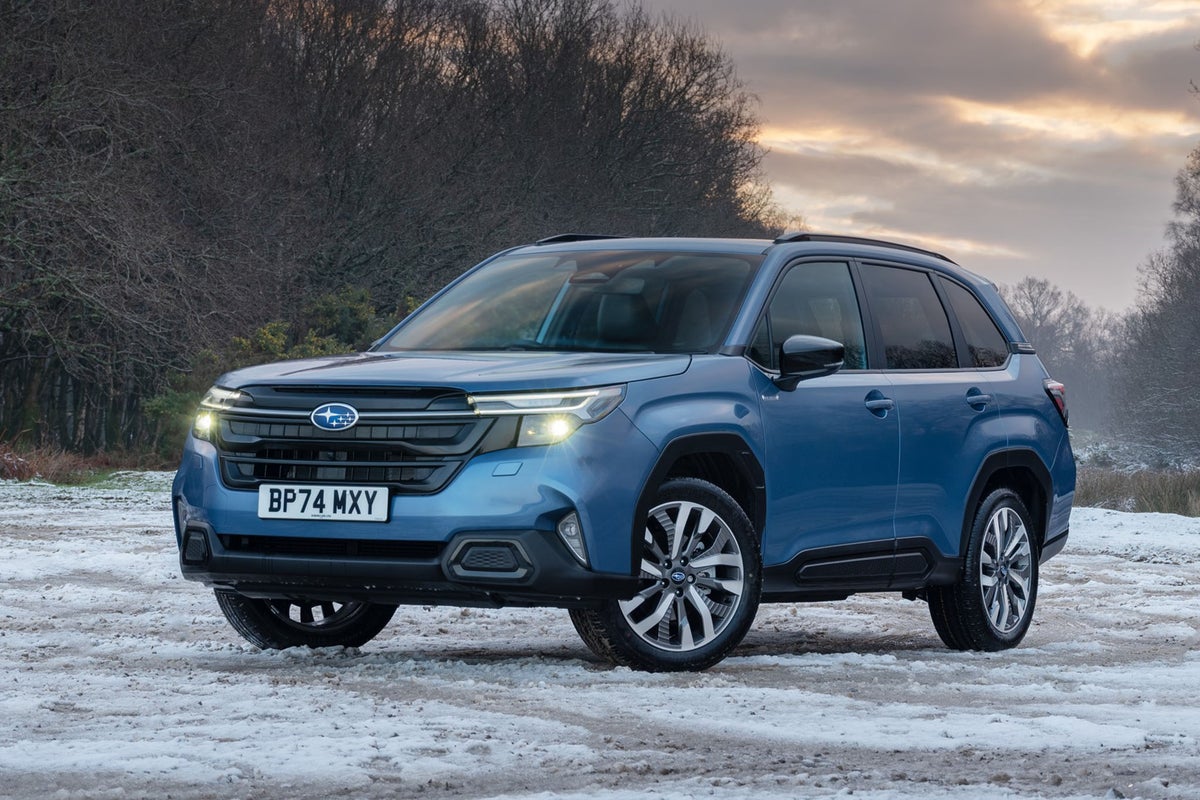
They don’t seem to have made much of a fuss about such a momentous (in every sense) anniversary but it is now 50 years since Subaru started exporting its rather special cars to the UK. On the whole they remain rather exceptional, despite an infusion of Toyota finance and technology in recent years, and, while small in sales (about 2,000 vehicles last year), the Subaru is still an asset and adds diversity to the automotive eco-system, dominated as it is now by mostly blobby identikit SUVs, and not all from China, either.
In terms of image, which matters, a Subaru reeks of old money and an unassuming rural self-confidence, though never to the point of smugness. If you are content in your own skin, then your second “skin” might well be a Subaru Forester.
This, the sixth generation of their medium-sized, all-wheel-drive estate crossover makes the continuing case for this uncommon breed very well. Importantly, it differs in its fundamental engineering from everything else on the market. A few years ago there were lots of estate cars that had been adapted for four-wheel drive and mild off-road use, notably from Volvo (“cross-country” variants), Skoda (“scout”) and Audi (“all-road”, still going by the way). Now it’s versions of the SUVs that try to fill the niche, including the Kia Sportage, VW Tiguan and Toyota RAV4 – all good cars and popular.
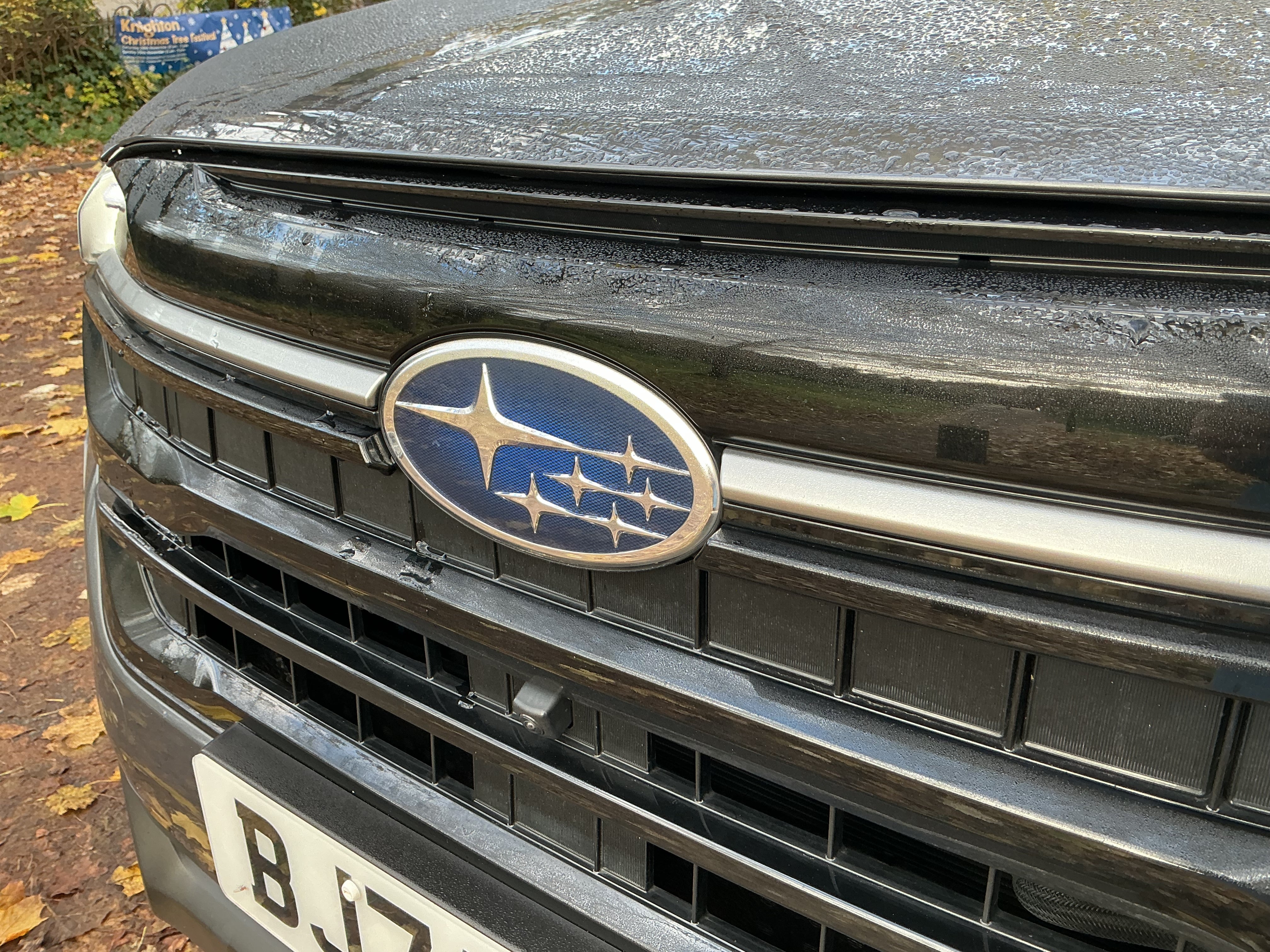
But the Subaru remains unique in having both a compact “boxer” engine mounted lengthways and a symmetrical all-wheel drive setup. (“Boxer” means with the cylinders more horizontal than upright, punching at each other like a couple of prize fighters. It’s also traditionally associated with Porsche).
In combination, they give the car a lower centre of gravity and an even spread of weight, and thus superior handling as well as usefulness off-road.
(This arrangement of the moving parts, by the way, is also why the Subaru Impreza made for such an impressive rally car). No other car has this, and few makes enjoy such a reputation for durability and dependability (which may make up for the relatively short three-year/60,000-miles warranty).
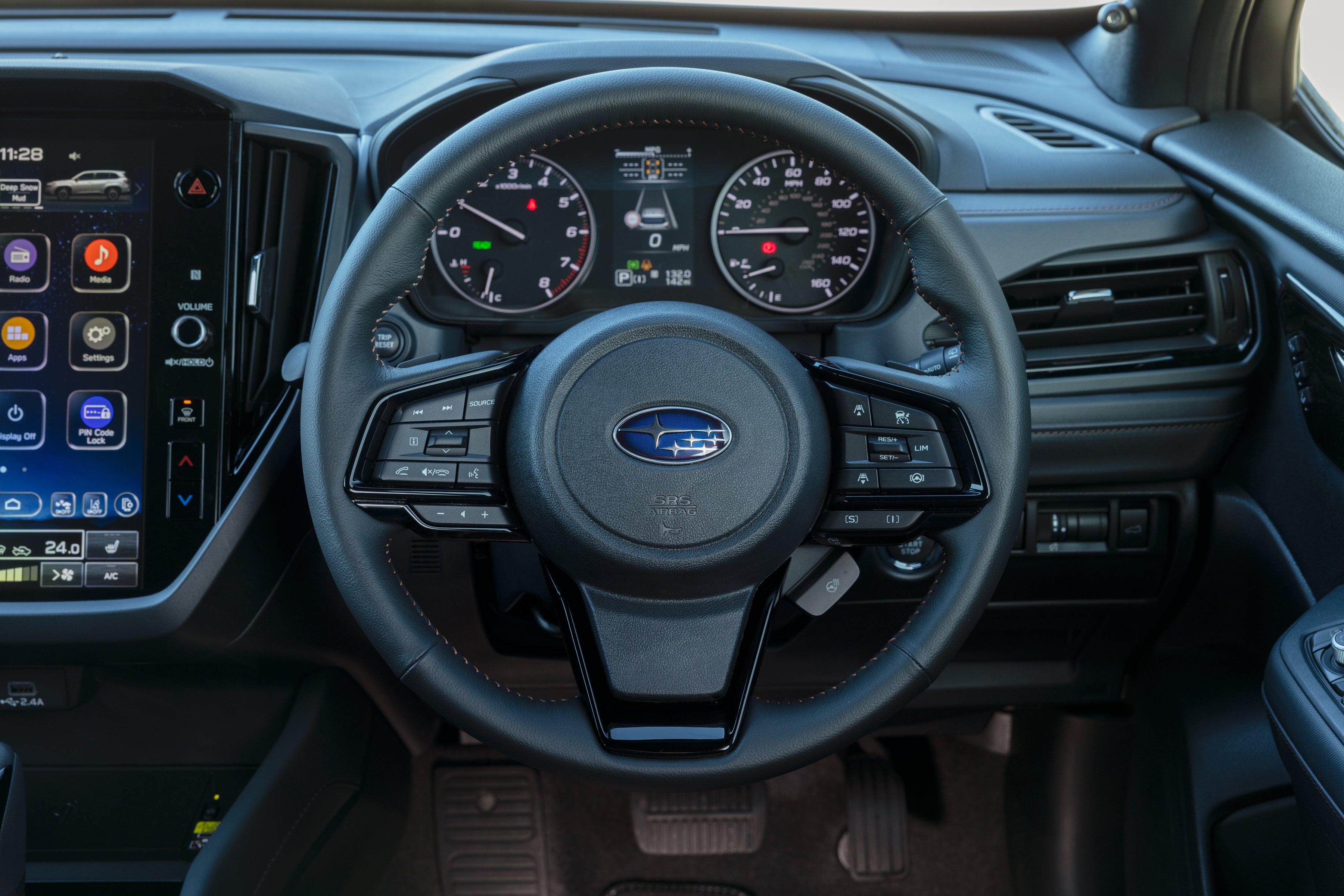
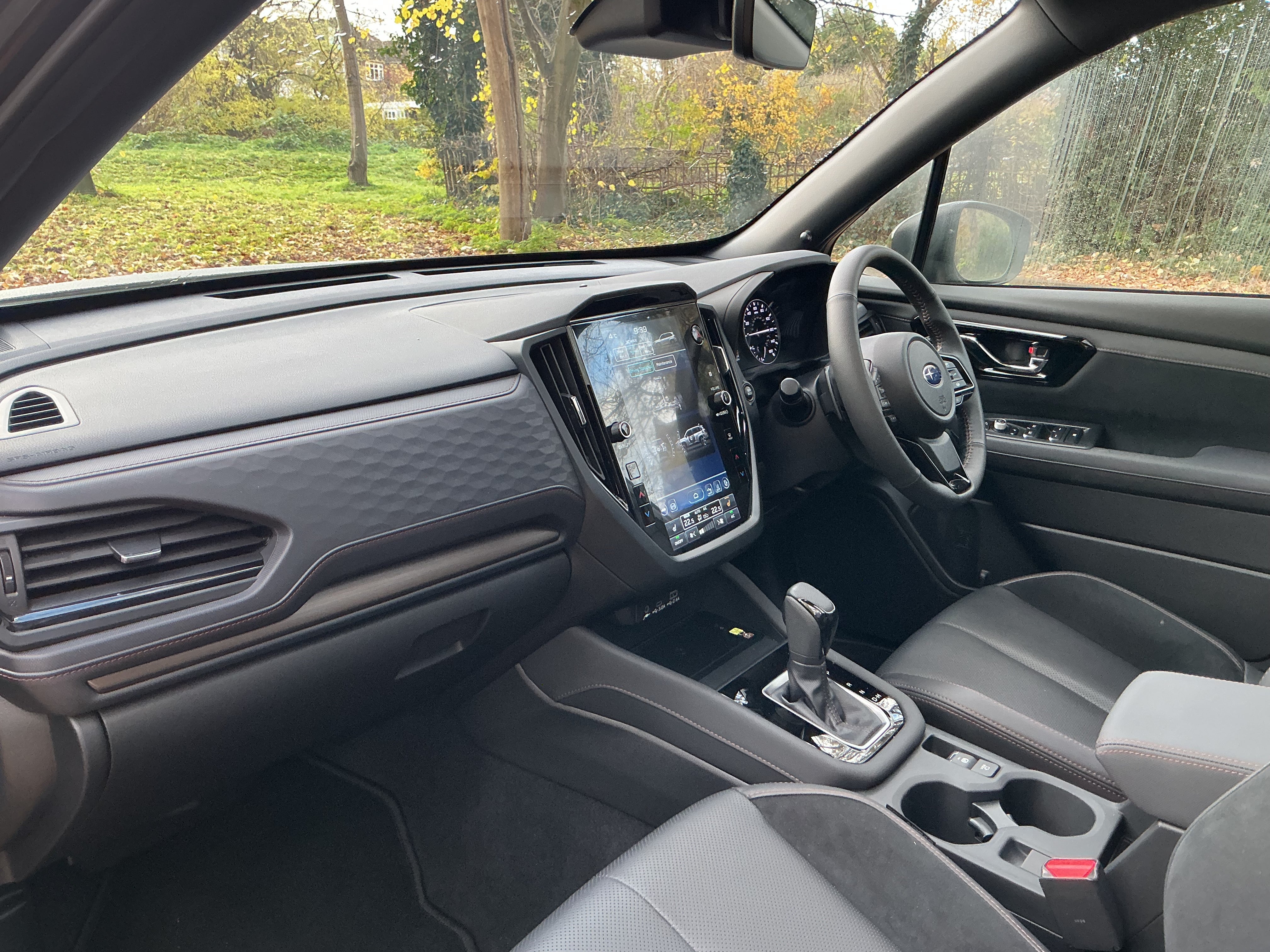
It is an unprepossessing car, it must be said, in its styling, and things are equally traditional, even quaint, in the cabin. Hopping out of any of the latest designs with their panoramic touchscreens and AI-enabled voice command systems, the Forester feels a bit old-fashioned, but it all works well, and many will feel reassured by the presence of so many physical controls, albeit not always ergonomically well-placed. I was only surprised, and a touch disappointed, not to find a CD player onboard.
THE SPECSubaru Forester e-Boxer Touring Price: £44,180 (as tested; range starts at £40,075) Engine capacity: 2.0l petrol, 3-cyl, CVT auto + elec system Power output (hp): 134 Top speed (mph): 116 0 to 60 (seconds): 11.9 Fuel economy (mpg): 34.9 CO2 emissions (WLTP, g/km): 183 | |
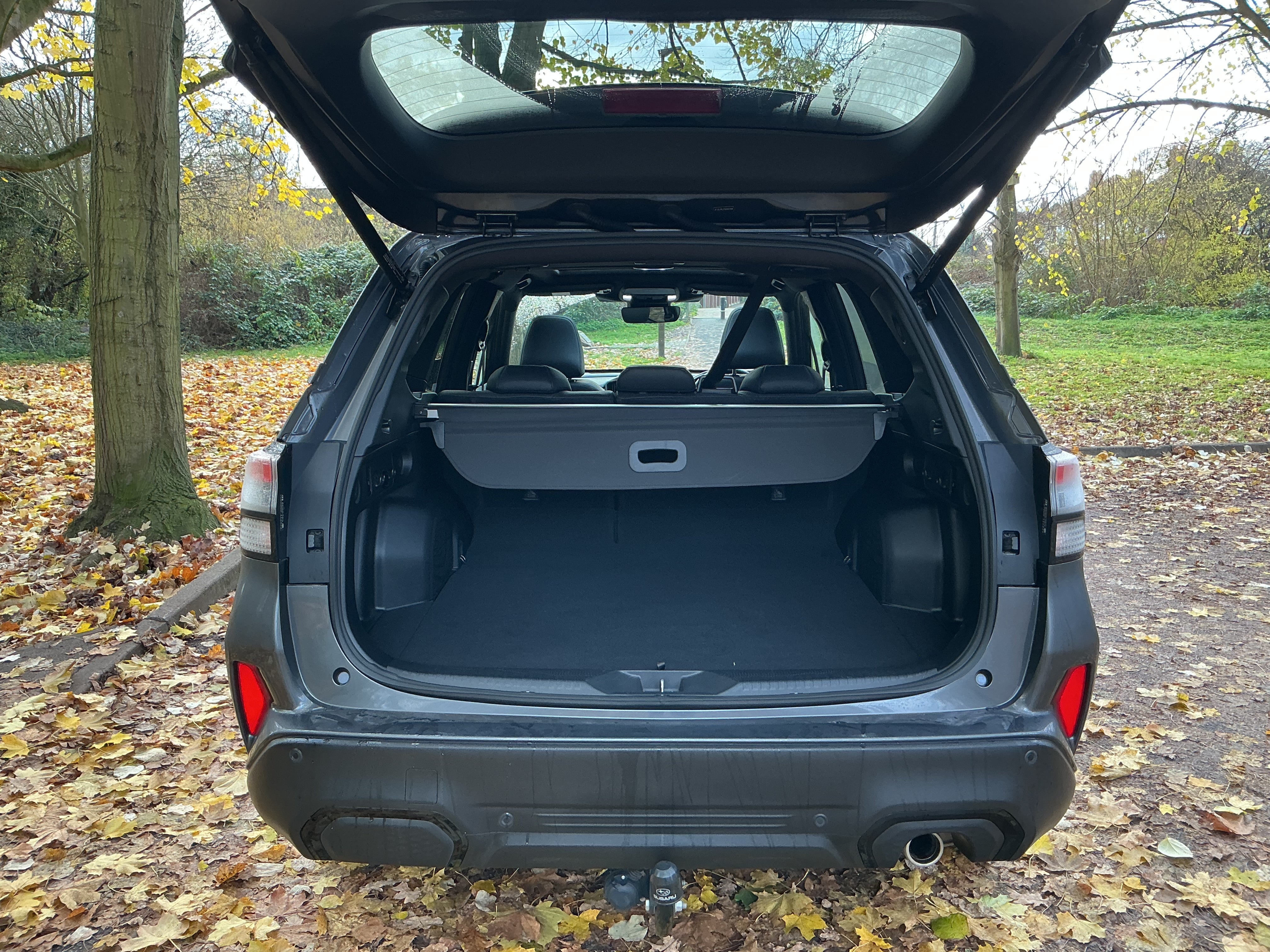
The electric seats in faux leather are very comfortable, it must be said, and the quality of the materials and controls feels very solid, and of course it offers its driver individual settings for mud, snow, deep snow, “dirt” (begs a few questions) and “normal”, plus hill descent control and displays showing the angle the car is tilting in each plane. So you shouldn’t tip over. There’s room for a couple of dogs or bags in the boot. It’s compact enough to take the stress out of navigating city streets and narrow country lanes, and a handy size to park.
I only had a couple of quibbles. The more serious one is that the automatic “one speed/continuously variable gearbox” tends to make for a moanier, less responsive drive than similar setups on rival products, and feels like it’s not the best match for the thrummy boxer engine, and that’s a shame.
Easier to live with is the unduly pessimistic read-out for how many miles you have left for a given volume of fuel, which I found was slow to correct itself. On the other hand, you can get 400 miles out of a tank of fuel. It’s a bit pricey, by the way, so a Forester “cheat”, might be to buy a previous-generation model used. It’s no less capable and is quicker.
Otherwise, the Forester is a fine, proudly individual choice for long-term ownership. My choice would be the most expensive of the three trim levels, “Touring”, with the better-looking 19-inch alloys filling the wheel arches, a full-length glass sunroof and heated seats. I’d convince myself the extra cost would amortise nicely over many years of ownership.
More than most, the Subaru encourages such long-term thinking. Worth celebrating.