Miquita Oliver has spent seven years rebuilding a life that alcoholism, bankruptcy and a breakdown had knocked down.
The TV presenter and entrepreneur, who is the daughter of chef and TV presenter Andi Oliver, believes those struggles have made her a better person rather than grinding her down.
“Everything came crashing down when I was 27,” she tells the Press Association. "I went bankrupt, I lost everything. I had to move back to my mum's and rebuild my life. And I rebuilt everything back up from rock bottom, which I think is quite a big part of my personality.
“I’m very tenacious, driven and focused and determined, but I’ve also lived with a lot of chaos in my life, and it was a very necessary breakdown. I’m very grateful for that breakdown.”
Oliver, now 42, was just 16 when she first found fame, co-hosting Channel 4's cult music show Popworld with Simon Amstell.

She has since hosted shows on BBC Radio 1 and appeared on a range of TV programmes.
She also hosts the podcast Miss Me? with her lifelong friend, the singer Lily Allen, and subsequently with the singer and actor Jordan Stephens.
Her bankruptcy was linked to an unpaid tax bill.
In the years since the bankruptcy and the breakdown, she has had therapy, most recently with the psychotherapist Owen O'Kane in Bupa Mindplace Sessions.
She says that seven years ago she was “in the depths of despair”, adding: “I was totally in a lack of hope place. I said ‘help’ and then suddenly things started to change.”
Oliver says she's now “a real advocate” of therapy, and has had weekly sessions for the last seven years, declaring: “Conversation and exchange are a real healer – I know that from my own life.”
Before therapy began, she had already spent around six months repairing friendships and relationships in her family, but she says: “I realised that for me to have better relationships with other people, I needed to confront things in my own life through therapy.”

She adds: “I think there’s this freedom when you’re speaking to a stranger, and then as you get to know this stranger – your therapist – more, they become someone quite important in your life.”
“But there’s still that distance that allows you to be more open because you don’t have a shared history, and you haven’t gone through things with them in the same way you would with your best mate.”
Being honest, she stresses, is really important.
"The truth is what sets you free. So you go to therapy to try and heal yourself, and to tell the truth, the ugly truth, the difficult truth, the truths that we don't want to say out loud.
“Therapy is the place to do that, and those things can be held and not judged. So it’s really important to be as honest as you can because you’re in a place where you’re safe.”
Talking to a therapist does not solve your problems, she says; instead, the therapy teaches you how to use tools to do it yourself. “It’s learning tools over time that help you rescue yourself,” she says. "It's not that the therapy rescues you, it's the work you do in therapy that you then take to your life.
“I’ve built my own toolbox now after seven years of therapy, and I’ve had to put these tools into play very much in the last month or so. It doesn’t make life plain sailing, but I’m definitely addressing challenges in a very different way. It takes a lot of courage.”
Her sessions, she says, cover relationships, both romantic and not, work, and how being in the public eye from the age of 16 affected her.
“I had to take on board something quite strange, i.e. fame, when I was very young, and I imagine it did change me a lot, and definitely, definitely led to my nervous breakdown,” she says.
So does she think she is a stronger person now than she was before her breakdown?
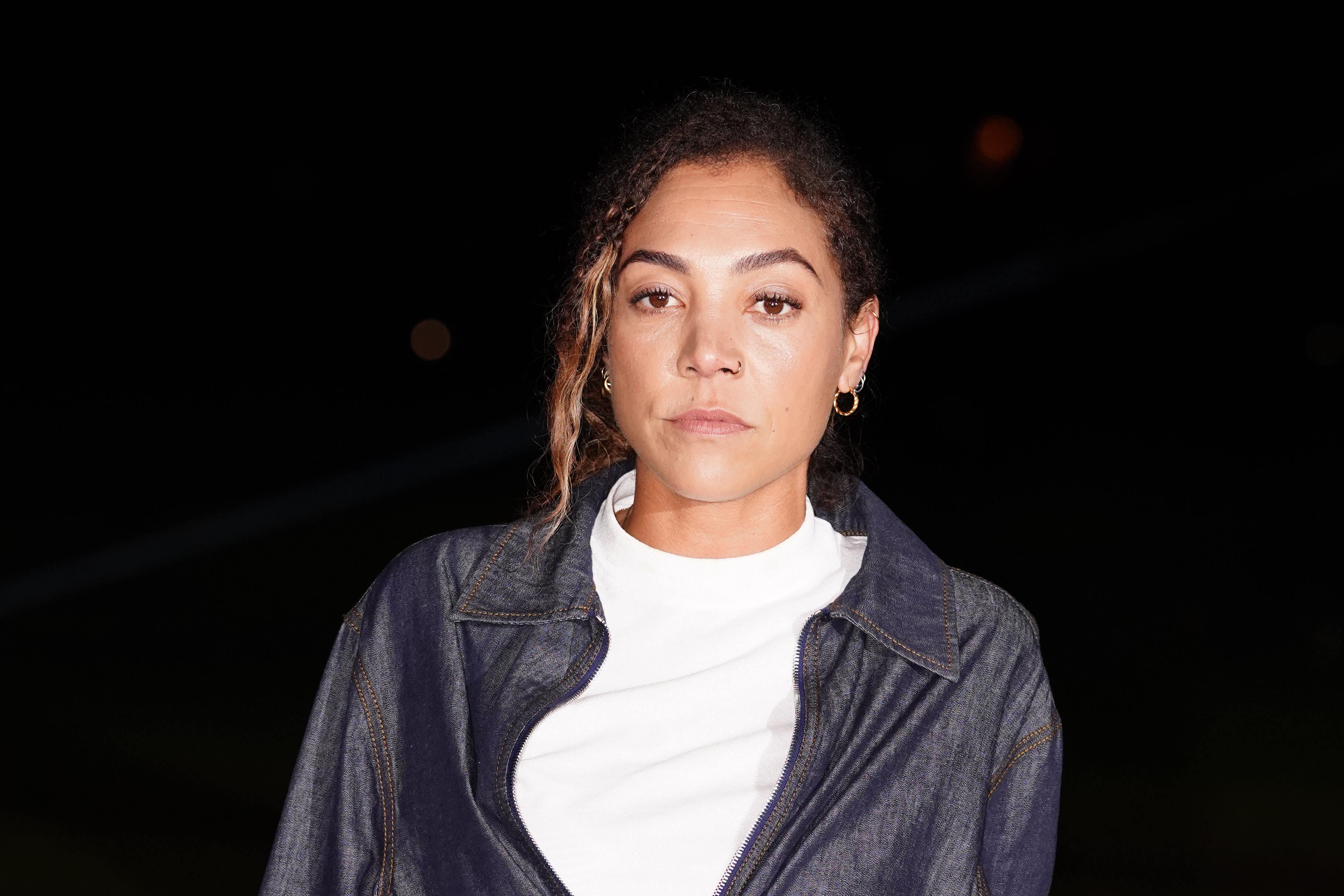
“Not just stronger, but very much a better person,” she declares.
"I wanted to be a better person. It wasn't just about losing all my money, it was about going to a rock bottom place and having to confront myself and take responsibility for things, and then believe in myself enough to rise again and not just sink. And that took some real guts and courage.
“When you surprise yourself in that way, you fall in love with yourself in a different way. And so that made me a better person because I really liked myself after I watched what I did. I was like, ‘Well done – God, I can’t believe you did that!’”
Oliver had just recovered from a period of alcoholism when she started therapy, and recalls: "That alcoholism in my early 30s was very serious and very real, and was the period of my life just before I started therapy.
“I stopped drinking for about nine months on the back of that period of alcoholism, and that’s when I gained enough clarity to say I’m going to change my life. So I still drink now, but it’s not in my life like it was.”
Around the same time, she took up skipping, a pastime that would unexpectedly become her next career move.
She explains: “I decided to start training and change my body and free myself from the body that I learned to hate, and I picked up a skipping rope and was reminded how much I loved skipping when I was a child, I started skipping every day, all day.”
Tennis, squash and badminton followed, and she says: "It's huge part of me changing my life. And I'm proud I implemented these things and they're now the backbone of the way I live my life.
“It comes back to the consistency of taking care of your mind and body. I love sports, and I encourage more people to play sports.”
Skipping, she says, led her to “the greatest business idea I’ve ever had”, and she is now founder and CEO of her own business, Ropes, which has “reinvented” the skipping rope as the world's first retractable skipping rope.
The business officially launches in the spring, and Oliver says: “It’s a huge new chapter in my life, and I know I wouldn’t have believed in myself to do these things if I hadn’t one day said ‘I think I’m going to try therapy’”.
Miquita Oliver is currently featuring in Bupa's Mindplace Sessions campaign. You can watch her talking to psychotherapist Owen O'Kane on Bupa's YouTube channel.