
Varicose veins affect many people and become more common after the age of 40, as vein walls start to lose their elasticity with age. While they may not bother some people, others may find them unsightly or find that they cause discomfort. If you are thinking of getting treatment for varicose veins, the good news is that you have a few options. The NHS can help in some circumstances, but if that route is not available, there are myriad private providers worth considering.
Any medical treatments or procedures can be daunting, and finding a reputable provider is never more important than it is when looking for healthcare. It is worth checking whether a provider specialises in the diagnosis and treatment of vein conditions, rather than offering varicose vein treatment as one of a broad range of services. On top of this, the level of experience of the clinicians, the type of treatment available and whether it can be personalised to you are all key considerations.
One provider specialising in vein-focused procedures is UK Vein Clinic. Its team includes consultant vascular surgeons and vascular scientists who work together to assess patients and recommend appropriate treatment options. Each patient has a specialist assessment before a personalised treatment plan is discussed, helping them understand the options available and what the next steps may involve.
While researching clinical credentials and diagnostic processes is important, you may also want to put your mind at ease by looking at patient feedback before choosing a healthcare provider. Checking reviews on independent patient review sites such as Doctify before committing to any provider is a good place to start. As of September 2026, UK Vein Clinic had a score of 4.93 out of five from 185 reviews on Doctify, and a score of 4.8 out of five and a rating of “excellent” from 828 reviews on Trustpilot.
Along with patient reviews, there are wider criteria to consider, so keep reading for everything you need to know before selecting your treatment provider.
How do I choose the right varicose vein clinic?
When comparing clinics, look closely at the expertise of the team, how you will be assessed and whether the recommended treatment will be tailored to you. Here are some key things to consider before choosing a specialist.
- Does the provider specialise in venous conditions?
- What qualifications and experience does the clinician have?
- Is specialist duplex ultrasound and vein mapping used?
- Will the treatment plan be tailored to your test results?
- Are the benefits, risks and alternatives of treatment explained?
- Does the treatment follow NICE (National Institute for Health and Care Excellence) recommendations?
How to find the most qualified clinics for treating varicose veins
The suitability of a clinic to treat varicose veins depends on more than just the experience level of the clinicians, as specific qualifications and accreditations should also be noted. For instance, UK Vein Clinic’s procedures are carried out by consultant vascular surgeons who also hold NHS consultant posts
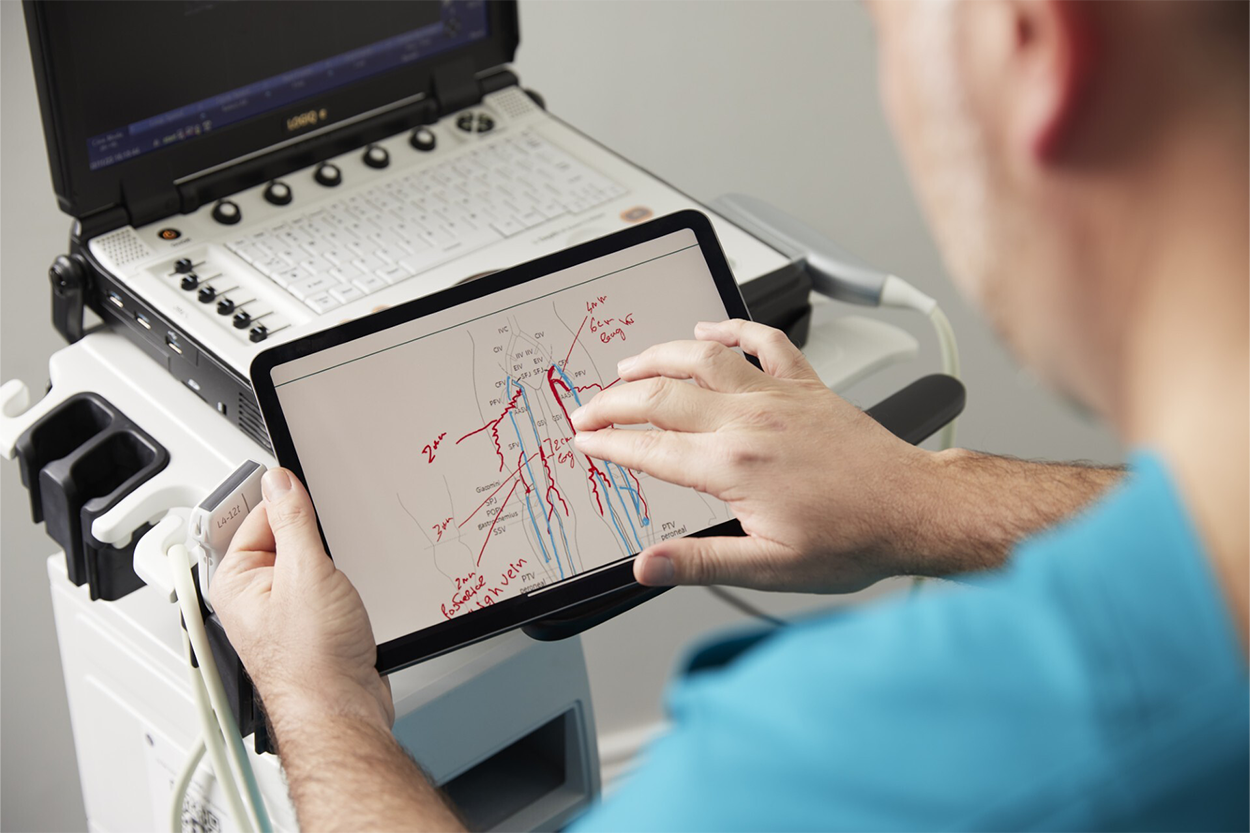
A number of factors can change the course of treatment offered. Varicose veins can be caused, or worsened, by a number of health issues, which will need to be taken into account during diagnosis. Equally, some cases may be recurrent, which can affect the treatment route. In light of this, experienced, qualified clinicians who specialise in varicose vein diagnosis and treatment will be better positioned to assess you and to recommend the best approach.
Look for clinics that offer evidence-based treatments recommended by recognised guidance – Namely, varicose vein treatment recommended by the National Institute for Health and Care Excellence (NICE). Below, we go into more detail about what these recommended treatments are, and how the right specialist can tailor them to your individual case.
What is duplex ultrasound and why is it important for varicose vein treatment?
Duplex ultrasound is a non-invasive test that uses imaging in combination with a Doppler assessment of blood flow – this is a test that uses sound waves to show how well your blood is moving through your veins. This blend of assessment methods is recommended by NICE and used in specialist clinics such as UK Vein Clinic, as it ensures an individualised treatment approach.
Using duplex ultrasound gives clinicians a better understanding of your varicose veins – which veins are affected and to what extent – and this informs how best to treat them. Specifically, it shows the level of truncal reflux, the condition that results in the varicose veins you can see.
What are the evidence-based varicose vein treatments to look for?
As per NICE recommendations, once duplex ultrasound has been used to look at the structure of the veins and how blood is moving, depending on the results, endothermal ablation may be used. This is a minimally invasive procedure that seals off varicose veins with heat. At UK Vein Clinic, a form of endothermal ablation, called radiofrequency ablation (RFA), may be used to treat deeper truncal veins.
How should treatment be personalised?
Treatment should be decided on a case-by-case basis, as varicose veins can have different causes and symptoms and be experienced differently from person to person. For instance, if you have had varicose veins treated before and they are recurrent, this may suggest to your clinician that a different approach is needed and that an underlying pattern may need to be reassessed. Similarly, complex cases of varicose veins might need a tailored approach with multiple steps.
From start to finish at a clinic, you should feel you understand what your care involves, from what the best possible outcomes are to what the risks could be. What’s more, it’s important to feel you know what your options are – reasonable alternatives should be set out for you before treatment. Your clinician should be clarifying queries or discussing any concerns, so that you feel reassured and well-informed.